

Comprehensive Eye Care Services at Thakur Eye Hospital
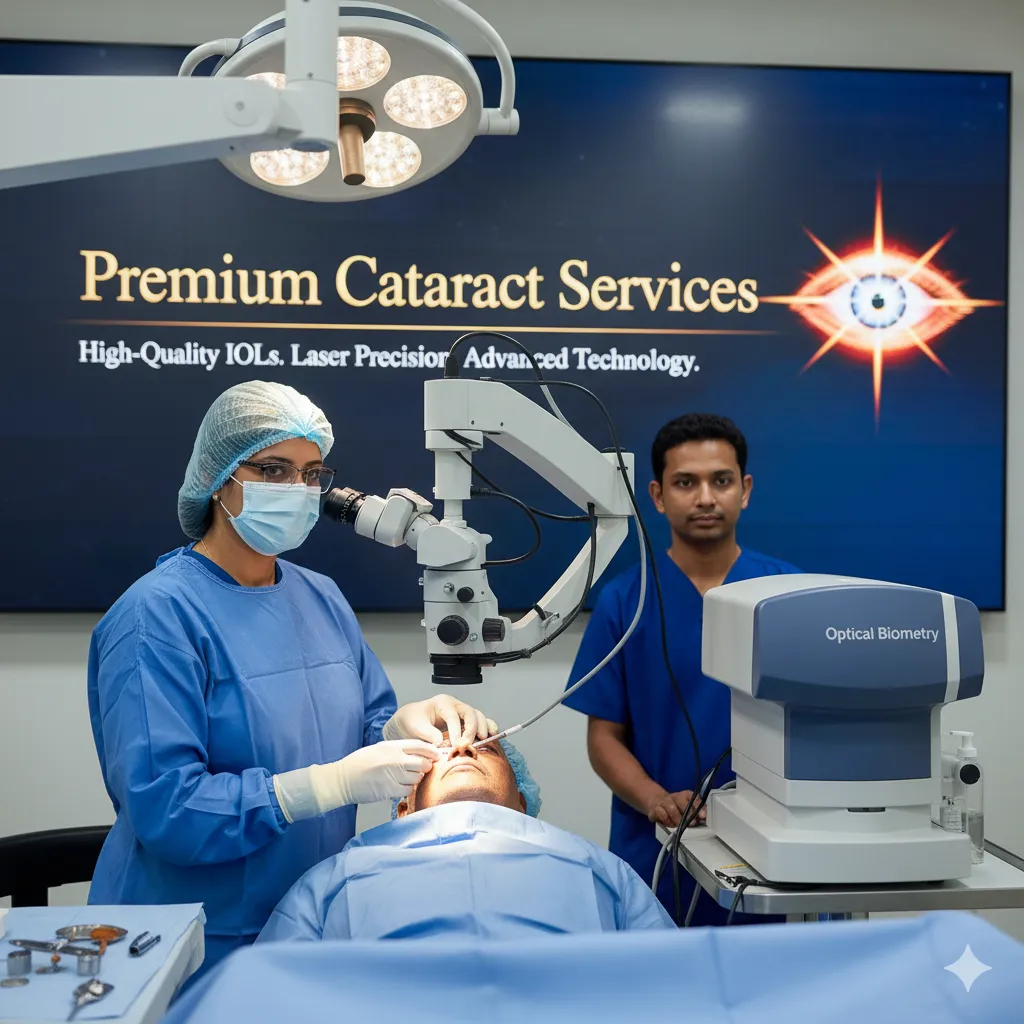
Premium Cataract Services
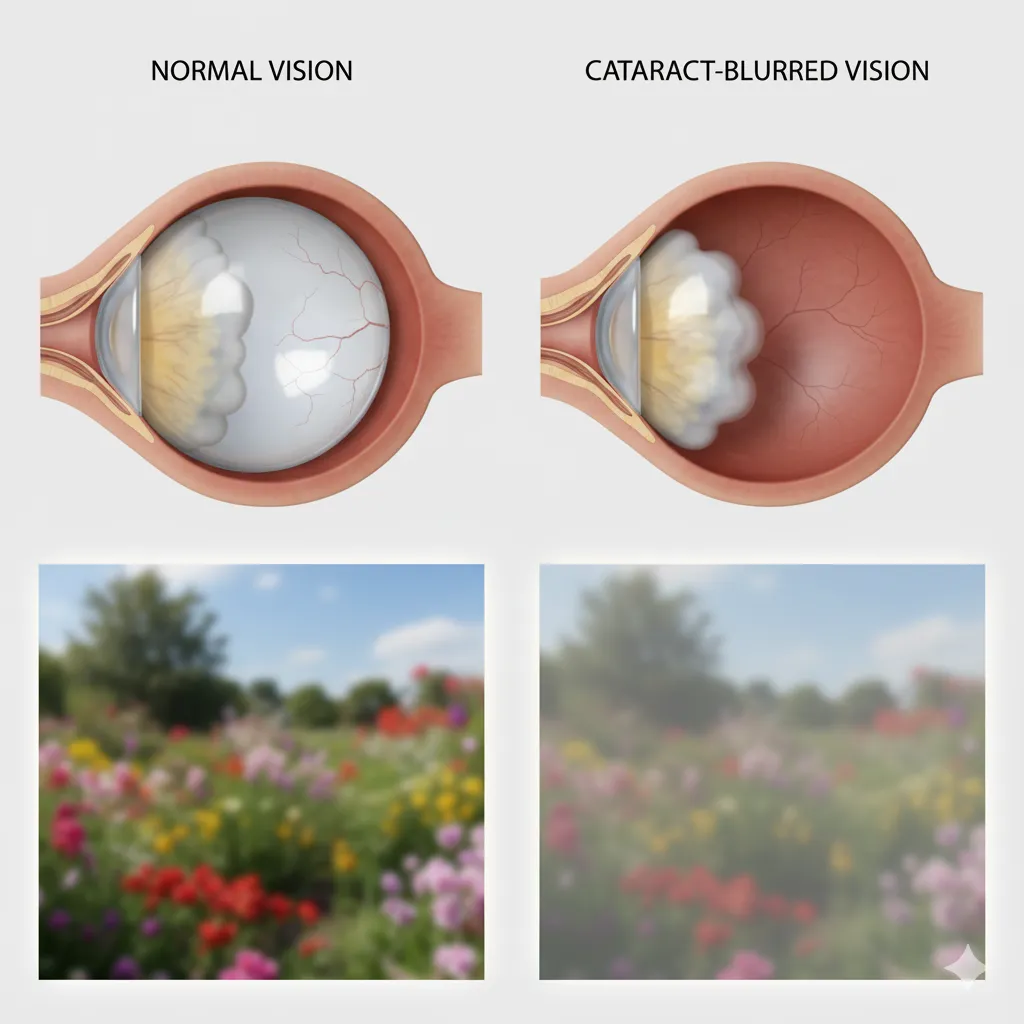
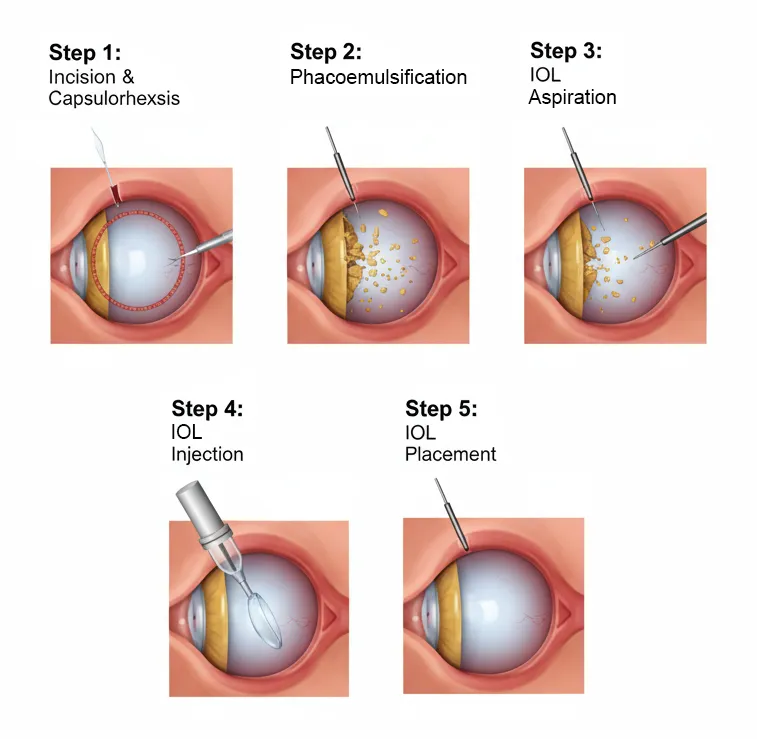
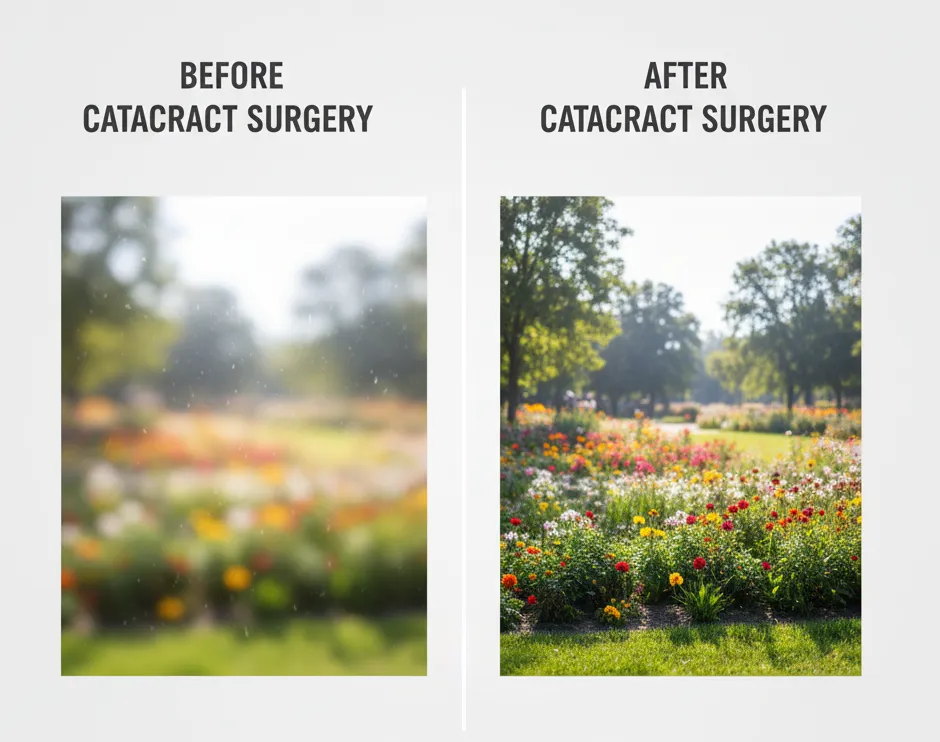
What makes Cataract Services at Thakur Eye Hospital premium?
- Premium High Quality Market Leader IOLs - Long-lasting clear vision with leading global brands
- Optical Biometry (No-Touch Laser Technology) : The precise power of the lens calculated to be implanted is done using this technology
- ISO Class 6 Modular OT with HEPA Filters – Sterile and safe surgical environment
- Carl Zeiss Microscope & Swiss Phaco System - Maximum precision and safety
- Experienced Surgeons – 30+ years of expertise in cataract care
Diabetic Eye Care Services
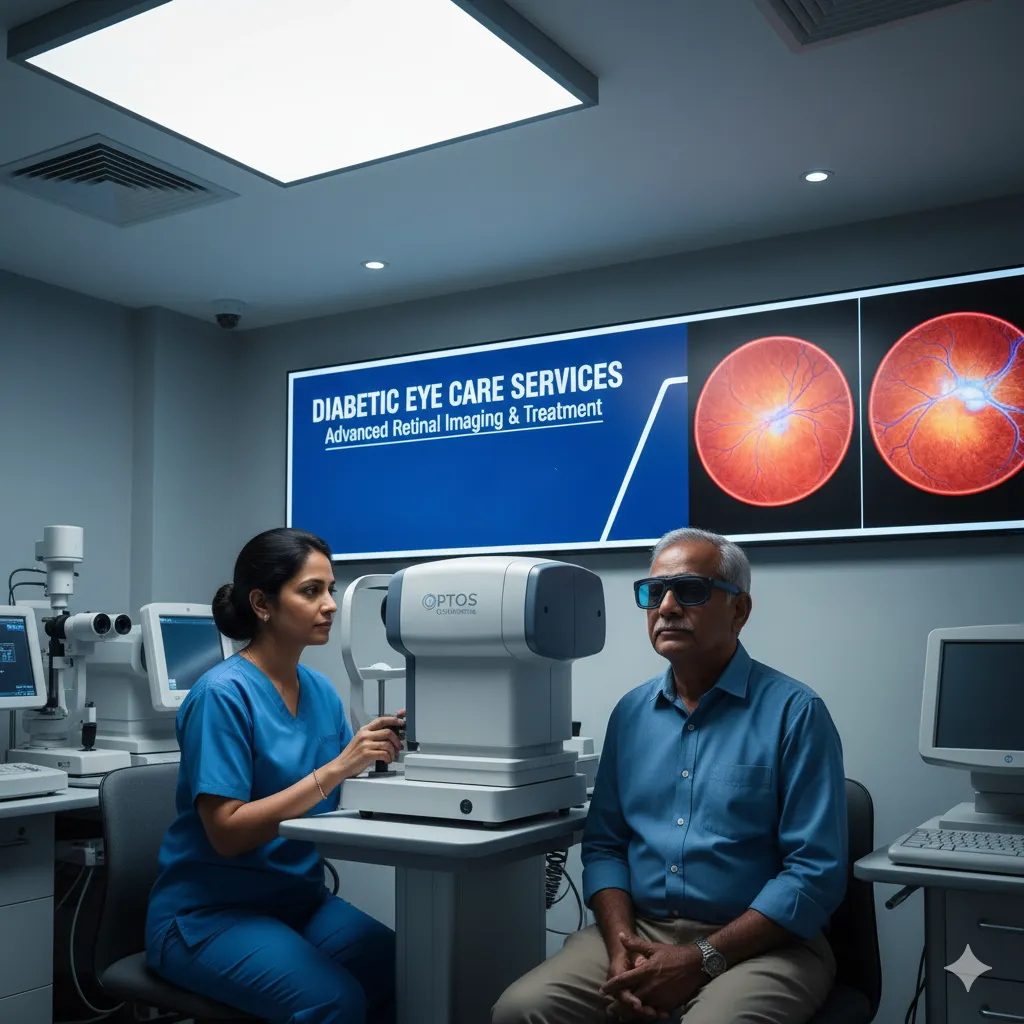
Diabetic retinopathy is a complication of diabetes in which high blood sugar levels over time can cause the blood vessels to swell, leak, or close, affecting the retina’s ability to detect light and transmit signals to the brain.
This can result in symptoms like blurred vision, floaters, and dark spots, and if left untreated, lead to severe vision loss.
At Thakur Eye Hospital, we specialize in early detection and advanced treatment of diabetic retinopathy with world-class technology.
Our Technology Include:
- OPTOS Ultra-Wide Field Imaging
- Topcon Fluorescein Angiography
- Multi-Spot Retinal Laser System
- Vitrectomy System
Vitreoretinal Surgery Services
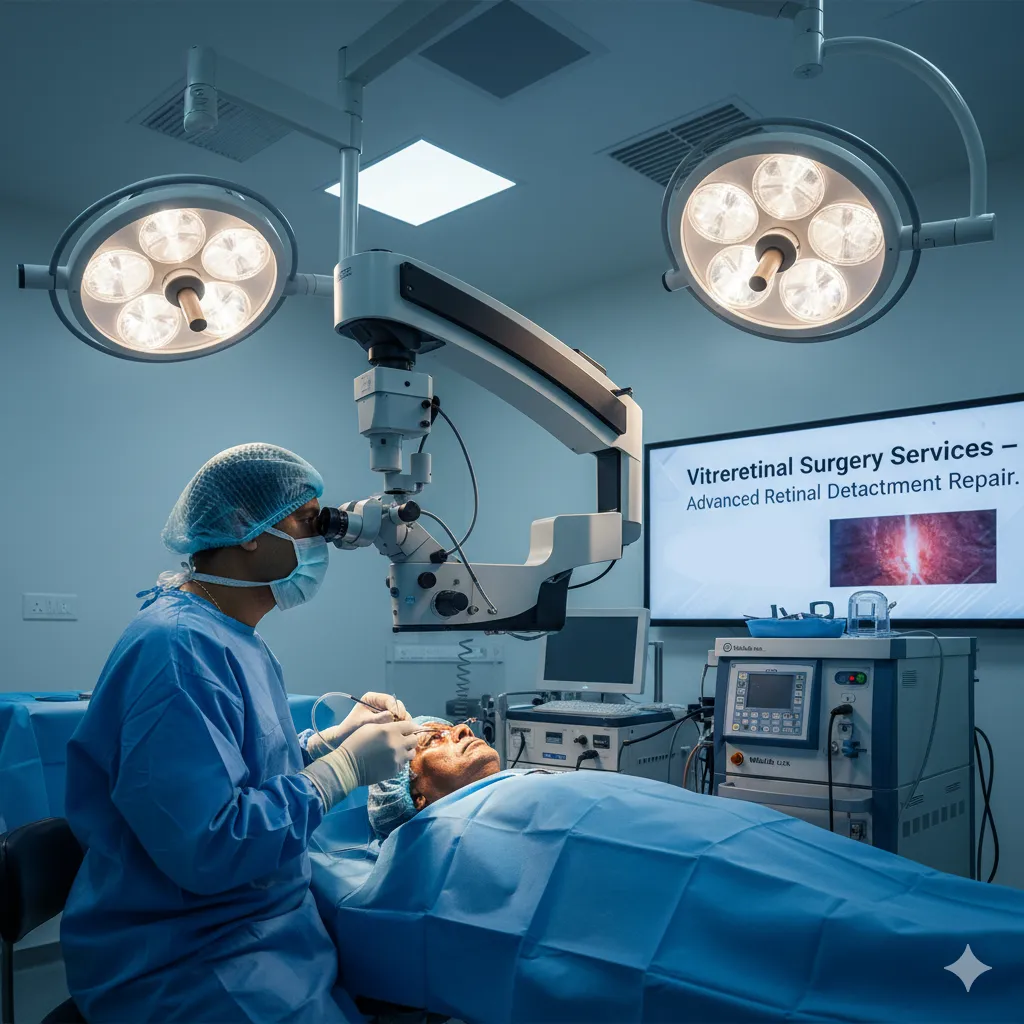
Retinal detachment is a serious eye condition where the retina separates from the underlying tissue
It can cause:
1. Blurred vision
2. Flashes of light
3. Dark spots or sudden vision loss.
If untreated, it may lead to permanent blindness.
At Thakur Eye Hospital our expert surgeons use advanced vitreoretinal techniques to repair and restore the retina.
Our Technologies Include:
- High-Speed Posterior Vitrectomy System
- Wide-Angle Viewing System
- Dedicated Endolaser Console
- World-Class Equipment from USA & Europe by by Midlab Inc. USA, Synergetic, Labtician and Arcadopath.
Corneal transplantation and Eye Donation Service
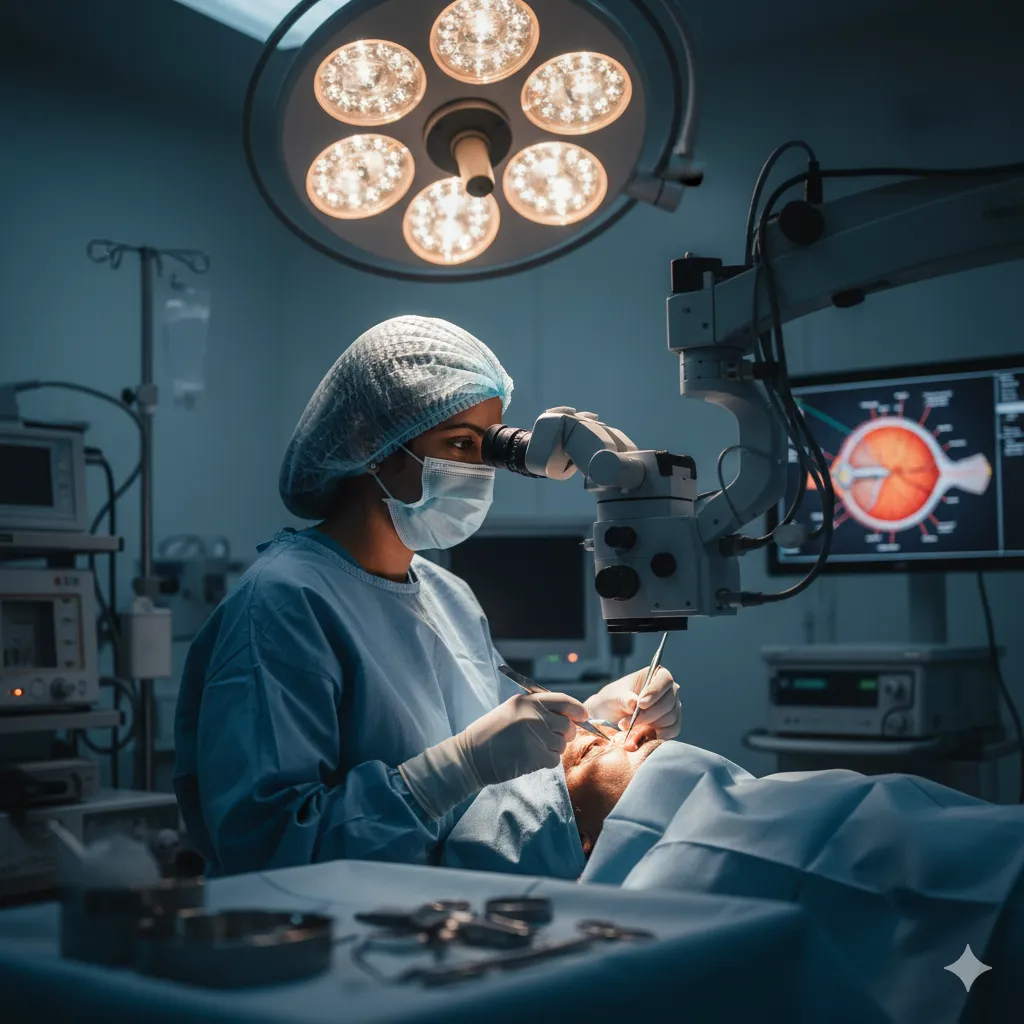
Eye transplantation, also known as corneal transplantation or keratoplasty, is a surgical procedure where a damaged or diseased cornea is replaced with a healthy donor cornea. There are two types of corneal transplantation:
1) full thickness corneal transplantation and
2) Lamellar corneal transplantation in which layers of cornea are replaced. A few types of lamellar corneal transplantation are Deep Anterior lamellar Keratoplasty (DALK) , Descemet Stripping Automated Endothelial Keratoplasty (DSAEK) , Descemet Membrane Endothelial keratoplasty (DMEK).
Reasons for Eye Transplantation
1. Corneal damage: Injury, infection, or disease.
2. Corneal disease: Conditions like keratoconus, Fuchs’ dystrophy, or corneal edema.
Benefits
1. Improved vision: Restoring vision and reducing vision loss.
2. Relief from pain: Alleviating discomfort and pain.
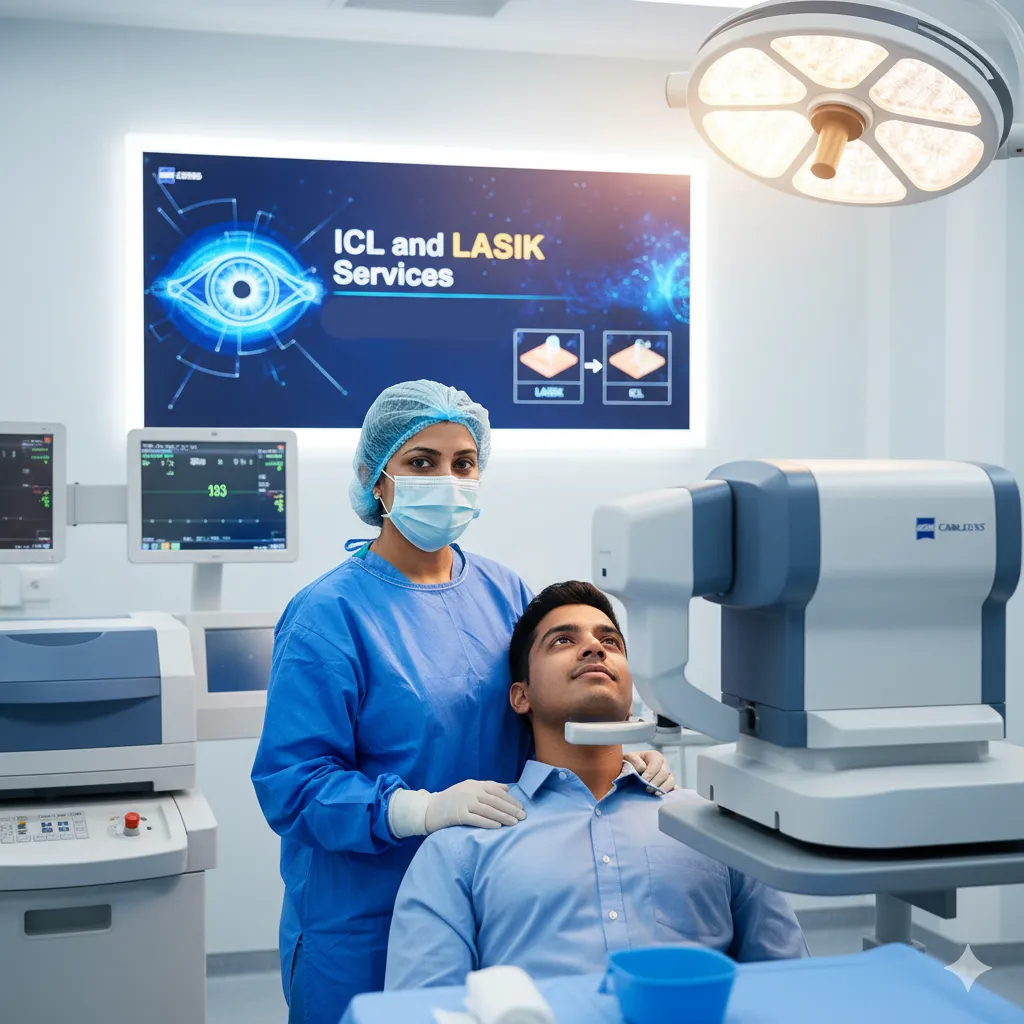
ICL and LASIK Services
At Thakur Eye Hospital, vision-correction treatment is considered only after a detailed eye examination and assessment of individual suitability. LASIK changes the shape of the cornea to reduce dependence on glasses or contact lenses and may be appropriate for selected patients with a stable prescription and suitable eye measurements.
An Implantable Collamer Lens (ICL) is a type of phakic intraocular lens placed inside the eye while the natural lens remains in place. It may be considered for some patients for whom laser vision correction is not the preferred option.
The appropriate procedure depends on the refractive error, corneal measurements, overall eye health, medical history, lifestyle and individual expectations. A detailed evaluation is required before recommending LASIK, ICL or another vision-correction option.
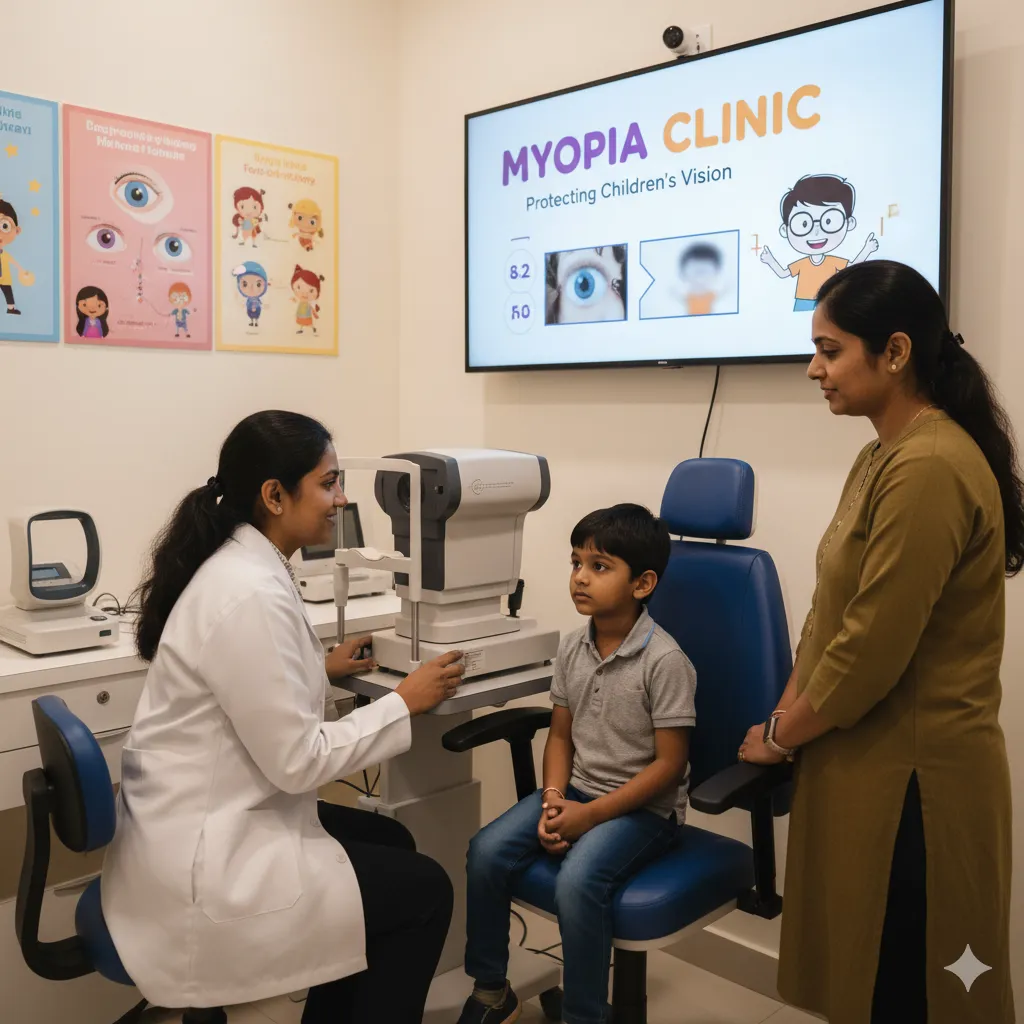
Myopia Clinic
Myopia (short-sightedness) causes distant objects to appear blurred because light is focused in front of the retina rather than directly on it. A proper eye examination helps confirm the refractive error and assess overall eye health.
For children and young people, regular follow-up is important because the spectacle power may change as the eyes grow. Management is individualized and may include spectacles, contact lenses or other myopia-control approaches when appropriate after clinical assessment.
The frequency of review and the most suitable management plan depend on age, prescription, rate of change, eye health and individual needs.
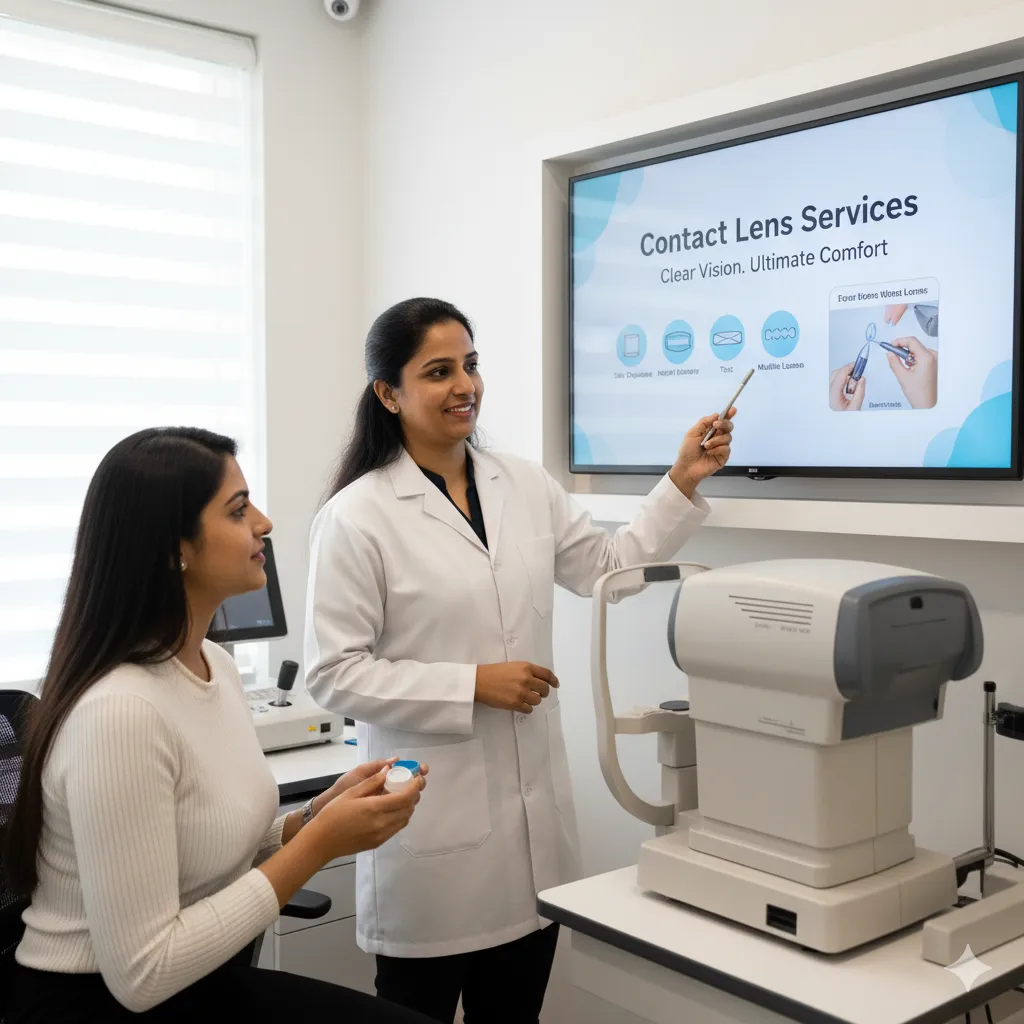
Contact Lens Services
Contact lenses can provide an alternative to spectacles for many people, but they should be selected after an eye examination and professional fitting. The appropriate lens depends on the prescription, the shape and health of the eye, wearing needs and the recommended replacement schedule.
Patients are advised to follow the prescribed wearing and replacement schedule, wash and dry their hands before handling lenses, use the recommended lens-care solution and keep lenses away from water while swimming or showering.
If contact-lens wear causes pain, persistent redness, light sensitivity, discharge or blurred vision, remove the lenses and seek eye-care advice promptly.
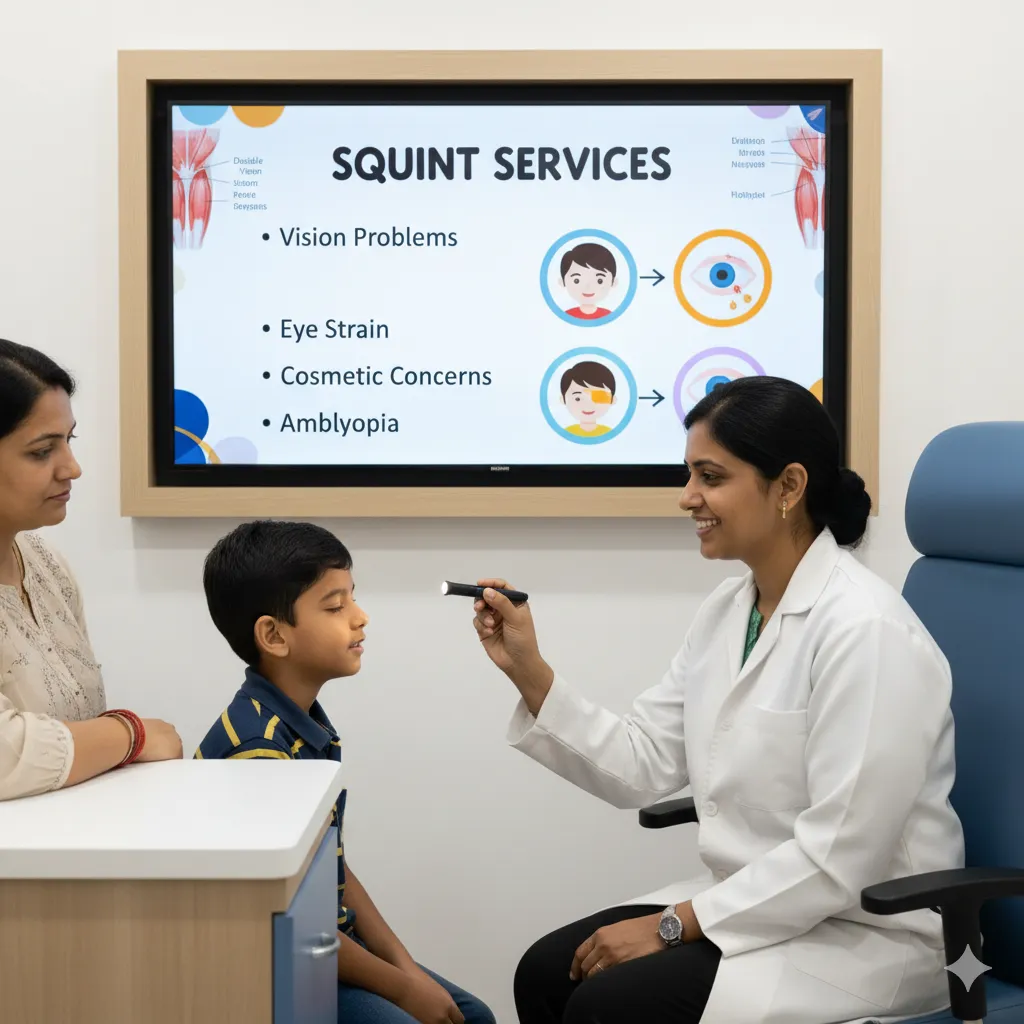
Squint Services
Squint, or strabismus, is a condition where the eyes are misaligned, and the gaze is not directed in the same direction. This can cause:
1. Vision problems: Double vision, blurred vision, or loss of depth perception.
2. Eye strain: Headaches, eye fatigue, or discomfort.
3. Cosmetic concerns: Misaligned eyes can affect appearance and self-esteem.
4. Amblyopia (lazy eye): If left untreated, squint can lead to amblyopia, where the brain favors one eye over the other.
Oculoplasty Services
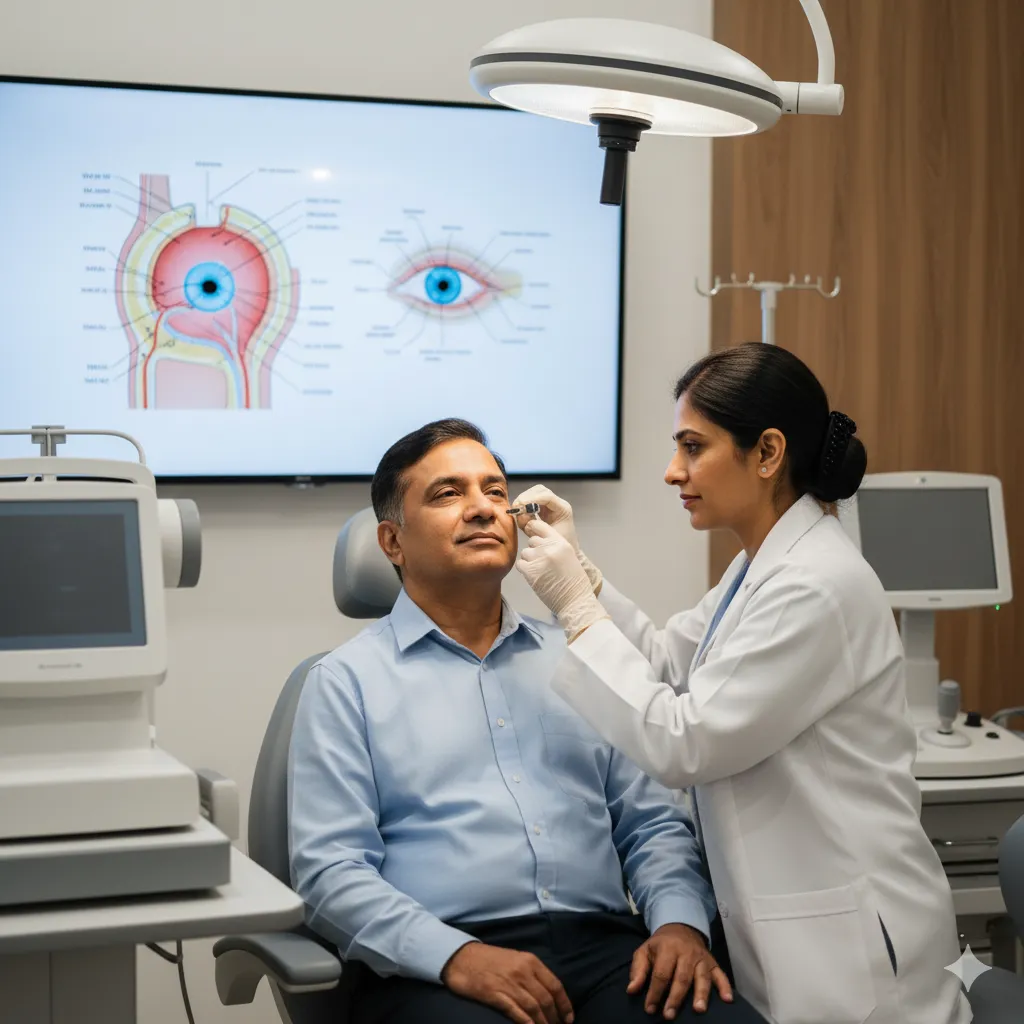
Oculoplasty deals with conditions affecting the eyelids, tear-drainage system, eye socket and tissues around the eyes. An oculoplasty evaluation may be advised for concerns such as abnormal eyelid position, persistent watering, eyelid lesions, injury or other problems involving the structures surrounding the eye.
Treatment depends on the underlying diagnosis and may involve observation, medicines, a procedure or surgery. A detailed examination is important before deciding the most appropriate approach for an individual patient.