Diabetic Retinopathy
Get comprehensive diabetic retinopathy evaluation and treatment from experienced retina specialists at Thakur Eye Hospital.
Diabetic Retinopathy
Diabetic retinopathy is a sight-threatening complication of diabetes that can damage the retinal blood vessels and affect vision. At Thakur Eye Hospital, our experienced ophthalmologists and retina specialists provide comprehensive evaluation, monitoring and individualized treatment aimed at preserving vision and reducing the risk of disease progression.
What is Diabetic Retinopathy?
Diabetic retinopathy is a complication of diabetes in which high blood sugar levels over time can cause the blood vessels to swell, leak, or close, affecting the retina’s ability to detect light and transmit signals to the brain.
This can result in symptoms like blurred vision, floaters, and dark spots, and if left untreated, lead to severe vision loss.
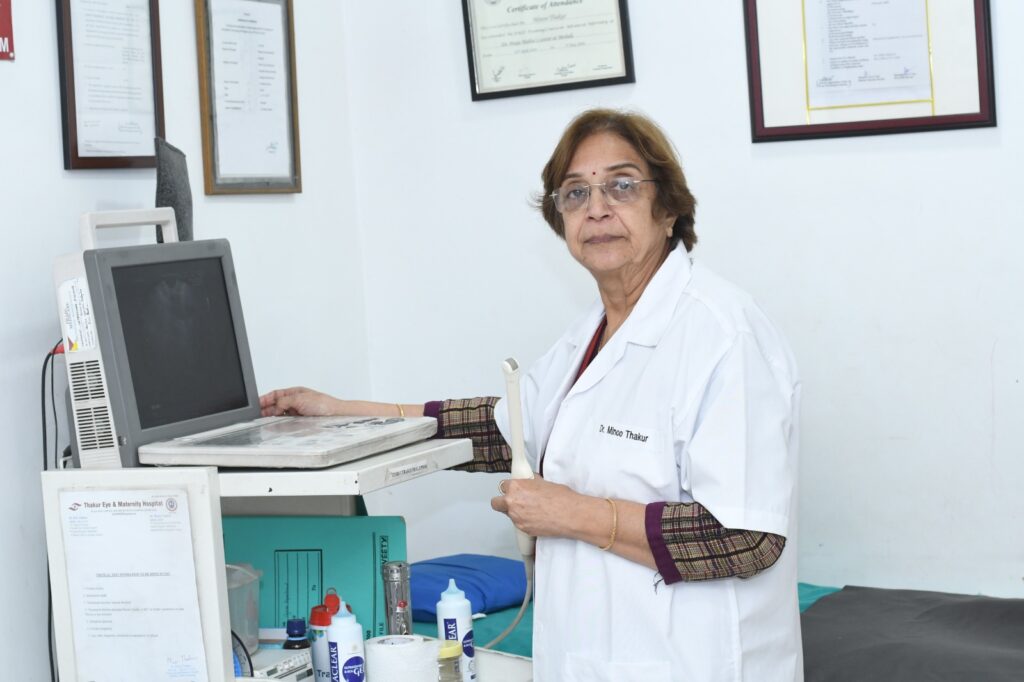
At Thakur Eye Hospital, we specialize in early detection and advanced treatment of diabetic retinopathy with world-class technology.
Our technologies include –
- OPTOS Ultra-Wide Field Imaging
- Topcon Fluorescein Angiography
- Multi-Spot Retinal Laser System
- Vitrectomy System
Our advanced technology and expertise are what set us apart.
Different Types of Diabetic Retinopathy?
Non-Proliferative Diabetic Retinopathy (NPDR)
This type of Diabetic Retinopathy occurs at the early stage of the condition. It happens when high blood sugar weakens the tiny blood vessels in the retina.
In this stage, the blood vessels may:
- Develop tiny bulges (microaneurysms)
- Leak fluid or blood
- Cause swelling of the retina (diabetic macular edema)
Vision may be slightly blurred or even normal, which is why many patients don’t realize they have it yet.
Proliferative Diabetic Retinopathy (PDR)
This is the advanced and dangerous stage. In this stage, damaged blood vessels close off, reducing oxygen supply to the retina. To compensate, the eye grows new abnormal blood vessels.
These new vessels:
- Break easily and cause bleeding inside the eye
- Lead to scar tissue formation
- Retinal detachment, as well as permanent vision loss, can occur
Symptoms may include:
- Sudden vision loss
- Dark floaters
- Severe blurred vision
Both conditions can affect vision in one or both eyes, leading to a serious vision problem. Diabetic Retinopathy is a progressive medical condition, meaning NPDR can progress to PDR over time if not managed properly. Luckily, we have experts at Thakur Eye Hospital who can help you manage the condition.
Diabetic Retinopathy Symptoms
Diabetic retinopathy often starts silently, but as the disease progresses, the following symptoms may appear:
Blurred or distorted vision: Objects may look unclear, wavy, or out of focus, making reading and driving difficult.
Dark spots or floaters: You may see small black dots, strings, or shadows moving in your field of vision due to bleeding inside the eye.
Difficulty seeing at night: Low-light vision becomes poor, making it hard to drive or walk safely in the dark.
Sudden vision loss: Bleeding from abnormal blood vessels can suddenly block vision and cause partial or complete loss of sight.
Faded or dull colors: Colors may not look as bright or sharp as before.
Double or patchy vision: Some areas of vision may appear missing or darker than others.
Diabetic Retinopathy Detection (Diagnosis)
Proper Diabetic Retinopathy detection is an essential step for early detection and monitoring. This is why we at Thakur Eye Hospital have established an effective diagnostic system for the condition.
Below are the different diagnoses that we use before we start Diabetic Retinopathy treatment.
Dilated Eye Examination: This is the method we use to dilate (widen) the pupils with eye drops, allowing the doctor to clearly see the retina and check for any leaking blood vessels, abnormal growths, or swelling.
Fundus Photography: High-resolution retinal photographs are taken to document and monitor changes in the eye’s blood vessels.
Optical Coherence Tomography (OCT): This painless scan shows cross-sectional images of the retina and helps detect swelling (macular edema) and retinal thickness.
Fluorescein Angiography: This diagnosis is done using a special type of dye. This eye is injected into the arm, and then the pictures are taken as it flows through the eye’s blood vessels. It highlights leakage, blockages, and abnormal vessel growth.
Visual Acuity Test: This is a simple test that allows a doctor to understand the status of your vision. In this, the clarity of vision is tested at different distances.
Who should get tested?
- Anyone with diabetes (Type 1 or Type 2)
- Pregnant women with diabetes
- Diabetics with blurry vision or floaters
- Patients with high blood pressure or cholesterol
Diabetic Retinopathy Treatment Options
Anti-VEGF injections: Anti-VEGF medicines are commonly used for diabetic macular oedema and selected cases of proliferative diabetic retinopathy. They can reduce retinal swelling and abnormal blood-vessel activity. The medicine and treatment schedule are selected according to the retinal findings and individual response.
Steroid injections or implants: Steroid-based treatment may be considered in selected patients, particularly when macular oedema persists or when the retina specialist considers it appropriate. Benefits and potential side effects are assessed individually.
Laser treatment: Retinal laser treatment may be used for selected forms of diabetic retinopathy. Panretinal photocoagulation (PRP), for example, is used in proliferative disease to reduce the risk from abnormal new blood vessels. Treatment planning depends on the retinal findings.
Vitrectomy: Vitrectomy may be required for advanced complications such as non-clearing vitreous haemorrhage, traction on the retina or retinal detachment. The surgical plan depends on the condition of the eye, and visual recovery varies between patients.
Precautions to Take in Diabetic Retinopathy
Keep blood sugar under strict control
Stable blood sugar is the most important factor in slowing diabetic retinopathy. Sudden spikes and long-term high glucose levels damage retinal blood vessels, so following your diabetes diet, medication, and insulin schedule is essential.
Control blood pressure and cholesterol
High blood pressure and high cholesterol increase stress on the eye’s blood vessels and speed up retinal damage. Regular monitoring and taking prescribed medicines help protect your eyesight.
Do not skip eye checkups
Even if your vision feels normal, diabetic retinopathy can be silently progressing. A complete dilated retina exam at least once a year allows early detection and timely treatment.
Quit smoking and avoid alcohol excess
Smoking reduces oxygen supply to the retina and worsens blood vessel damage. Limiting alcohol also helps keep blood sugar stable and reduces eye complications.
Follow treatment and injection schedules
If you are advised laser treatment or eye injections, never delay them. Skipping or stopping treatment can lead to sudden and permanent vision loss.
Eat a vision-friendly diet
Include green leafy vegetables, fruits, nuts, whole grains, and omega-3 rich foods. These support eye health and help control diabetes.
Watch for vision changes
Report blurred vision, dark spots, floaters, or difficulty seeing at night to your eye doctor immediately. Early action can save your vision
Complications of Diabetic Retinopathy Treatment (After effects of treatment)
Temporary Blurred Vision
Post-treatments like laser therapy or eye injections, it is very common for patients to experience temporary blurred or hazy vision. This usually improves within a few days as the eye heals.
Eye Redness and Irritation
Mild redness, watering, or a gritty feeling in the eye is another very common after-effect of Diabetic Retinopathy treatment, like injections or laser treatment.
These symptoms are usually short-term and can be managed with prescribed eye drops.
Eye Infection (Endophthalmitis)
In rare cases, patients can also get eye infections, causing pain, redness, swelling, and sudden vision loss. Immediate medical care is requiredi if these symptoms appear.
Increased Eye Pressure
Diabetic Retinopathy treatments like steroid injections or implants can raise pressure inside the eye, leading to glaucoma if not monitored. Regular eye pressure checks help prevent this complication.
Floaters or Spots
Some patients notice small dark floaters after treatment, especially following injections. These usually settle on their own.
Mild Vision Changes
Laser treatment may slightly reduce side or night vision, but it is done to protect central vision and prevent severe vision loss.
Most complications are temporary and manageable, and the benefits of treatment far outweigh the risks when it comes to saving eyesight
Diabetic Retinopathy Treatment Cost
The cost of treating diabetic retinopathy in India varies widely depending on the type of treatment needed, the stage of the disease, the hospital or clinic chosen, city, and number of visits or sessions required.
Typical Cost Ranges (Approx.)
✔️ Eye Injections (Anti-VEGF / Steroids)
Anti-VEGF injections (used to reduce swelling and abnormal vessels) typically cost between ₹8,000 and ₹40,000 per injection, depending on the drug and location. Steroid injections may be lower, often ₹5,000–₹25,000 per dose. Multiple injections may be needed over time.
✔️ Laser Treatment (PRP / Photocoagulation)
Laser therapy to seal leaky vessels or stop new ones from growing can range from ₹8,000 to ₹25,000 per session in private centers. In some government hospitals or charitable centres it may be even lower.
✔️ Comprehensive Treatment Package
Overall, diabetic retinopathy treatment, including diagnostic tests, laser sessions, and injections, often ranges from about ₹25,000 to ₹1,50,000+, depending on severity and care setting.
✔️ Vitrectomy (if needed)
Surgical vitrectomy for advanced disease (removal of scar tissue or vitreous hemorrhage) can range from about ₹40,000 to over ₹1,50,000 or more in India.
FAQs About Cataract
Can diabetic retinopathy affect both eyes?
Yes, diabetic retinopathy usually affects both eyes, although one eye may be more severe than the other.
Is diabetic retinopathy painful?
No, it is usually painless, which is why many people don’t realize they have it until vision is affected.
Can young people with diabetes get diabetic retinopathy?
Yes, anyone with diabetes, including young adults and children, can develop diabetic retinopathy if blood sugar is not well controlled.
Does diabetic retinopathy cause blindness?
If left untreated, it can lead to permanent blindness, but timely treatment can prevent most cases of severe vision loss.
Can diabetic retinopathy come back after treatment?
Yes, it can recur, which is why regular follow-ups and continued monitoring are very important.
Is it safe to drive if I have diabetic retinopathy?
It depends on how much your vision is affected. Always consult your eye doctor before driving.
Can pregnancy worsen diabetic retinopathy?
Yes, pregnancy can speed up the progression of diabetic retinopathy, so pregnant women with diabetes need frequent eye checkups.
Does controlling diabetes improve eye condition?
Good blood sugar control can slow down the disease and prevent further damage, but existing damage may not always reverse.
Can diabetic retinopathy affect color vision?
Yes, some people may notice colors becoming dull or faded due to retinal damage.
How often should follow-up visits be done?
Follow-ups are usually needed every 3 to 6 months, depending on the stage of the disease and treatment received.